
How does RMT Originals Vorsetzer differ from 1920s Welte models:
The RMT Originals Vorsetzer and 1920s Welte models are both mechanical piano-playing “push-up” devices (Vorsetzer) that sit atop an unmodified piano to operate the keys via fingers, but they differ significantly in technology, design goals, and performance capabilities.
Technology
1920s Welte-Mignon Vorsetzer systems used purely pneumatic mechanisms driven by paper rolls with recorded perforations capturing artist performances, emphasizing historical fidelity to early 20th-century recordings. In contrast, the modern RMT Originals integrate digital MIDI control, often with PianoDisc Live Performance LX software, allowing real-time playback from digital files rather than physical rolls.
Design and Features
Welte models prioritized analog expression through vacuum tubes and complex pneumatic tracking for tempo, dynamics, and pedaling, but they required bulky roll players and were limited to pre-recorded rolls. RMT’s versions offer sleeker, customizable builds (e.g., Opus 3, utility models) with electronic sensors for precise, human-like touch variation, easier maintenance, and compatibility with contemporary live recital systems.
Usage Context
Welte devices recreated vintage artist interpretations for archival playback in the player piano era, while RMT focuses on live demonstrations and modern performances, as seen in YouTube demos by performers like Gerald Robbins, bridging historical mechanics with digital flexibility.
What technology powers the Live Performance LX system:
The Live Performance LX system is powered by advanced digital electronics, including high-resolution solenoid actuators and proprietary control algorithms for precise note and pedal reproduction.
Key Advantages
High-bandwidth electronics keep solenoids cool during extended play, with hidden mechanisms for a clean aesthetic. Developed by Wayne Stahnke, it integrates MIDI playback with real-time performance capabilities, outperforming on-off pedaling in competitors.
The Live Performance LX system is powered by advanced digital electronics, including high-resolution solenoid actuators and proprietary control algorithms for precise note and pedal reproduction.
Core Components
It features 1024 dynamic levels per note at 800 samples per second, enabling subtle touch variations beyond typical MIDI systems. Proportional pedaling uses 256 positions updated 100 times per second via closed-loop feedback for lifelike damper control.
Who is Wayne Stahnke and what are his contributions to piano technology?
Wayne Stahnke is an American electrical engineer, inventor, and former NASA software engineer turned pioneer in modern reproducing piano technology, inspired by player pianos since his childhood visit to Disneyland.
Early Career
After earning a UC Berkeley electrical engineering degree, Stahnke worked on NASA’s Jet Propulsion Laboratory projects before pursuing piano innovation in the early 1970s, building prototypes with optical sensors and early microcomputers.
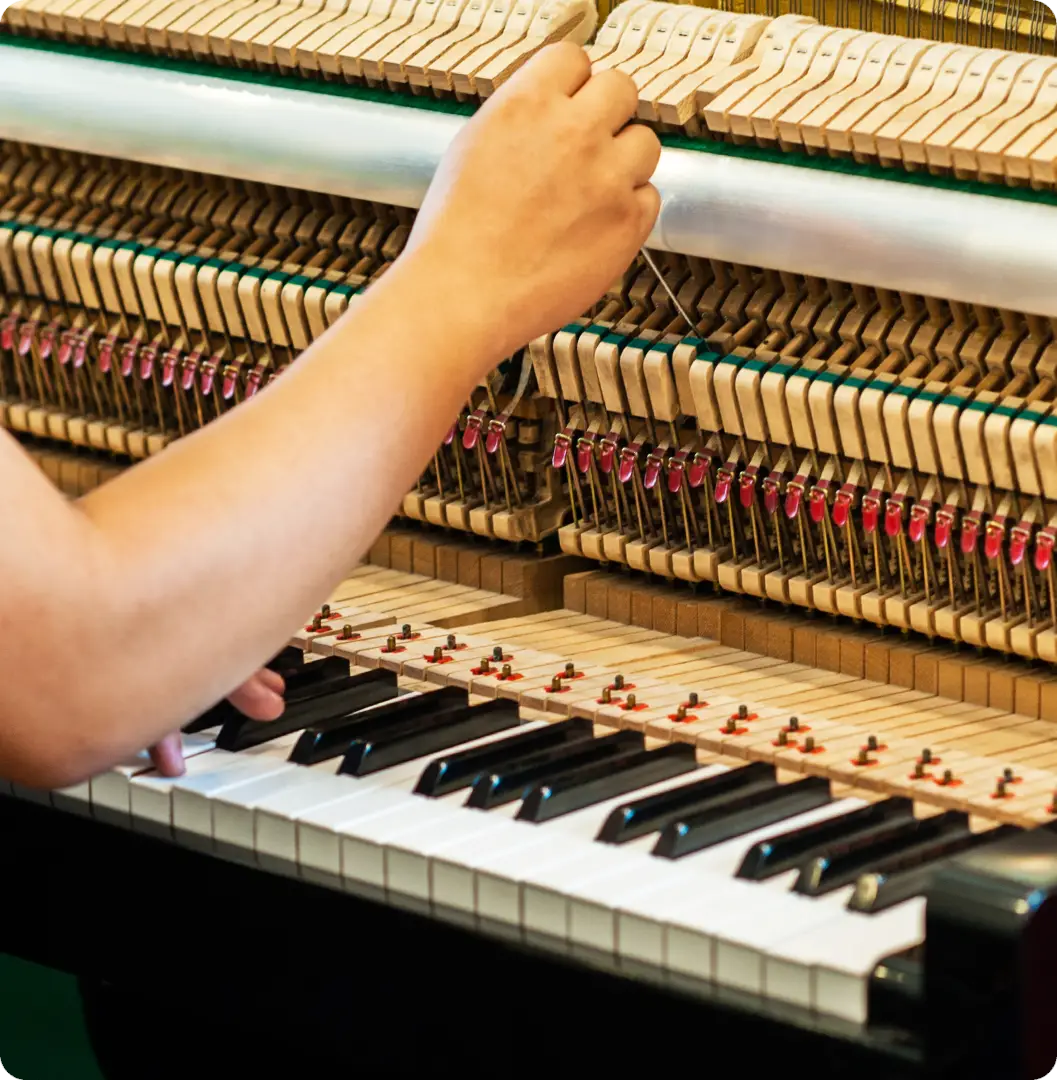
Through RMT Originals
I run a small, specialized platform dedicated to my unique musical products and enterprises. Among these crafts, my work with the Vorsetzer systems reflects my deep commitment to blending traditional piano craftsmanship with innovative, automated performance technology.